The Science of Microwaves: The Truth Behind Radiation Myths and Nutrient Destruction
A kitchen revolution sparked by melting chocolate in a pocket. Unveiling the dance of molecules triggered by 2.45 GHz microwaves and the hidden truths of physics, chemistry, and nutrition.
Last Updated: January 28, 2026
|
Read Time: Approx. 20 min
| 2.45 GHz | Microwave Frequency |
| 90%+ | Global Household Penetration Rate |
| 12.2 cm | Microwave Wavelength |
| 1-3 cm | Penetration Depth in Food |
On October 8, 1945, Percy Spencer, an engineer at Raytheon, experienced something strange while walking past a magnetron used for radar sets. A chocolate bar in his pocket had melted. Curious, he immediately placed popcorn kernels in front of the magnetron and watched them pop instantly. This accidental discovery sparked the second revolution in the history of cooking. The first was the gas stove; the second was the microwave oven.
The first commercial microwave, the 'Radarange', was released in 1947. It was a massive machine standing 1.8 meters tall, weighing a staggering 340 kg, and costing about $5,000 (approx. $60,000 in today's value!). Can you imagine? A microwave larger than a refrigerator. It wasn't until 1967, when Amana Corporation introduced a countertop model for $499, that it truly began its path to mass adoption.
Today, over 90% of households worldwide own a microwave, yet ironically, no other appliance suffers from as many misunderstandings and urban legends. "Watering plants with microwaved water kills them," "It mutates food DNA and causes cancer," "Microwaves leak out and cause brain tumors"—you've likely heard these stories floating around the internet at least once.
Today, I intend to dissect these myths with the scalpel of physics, chemistry, nutrition, and toxicology. Science, after all, is the most powerful tool for clearing away vague fears and revealing the truth.
The Secret of Water Molecules Vibrating 2.45 Billion Times a Second
Microwaves cook with "light," not "fire." Specifically, they use microwaves, a type of electromagnetic wave. But how exactly does an invisible wave make cold food hot?
Dipole Rotation: The Water Molecule's High-Speed Dance
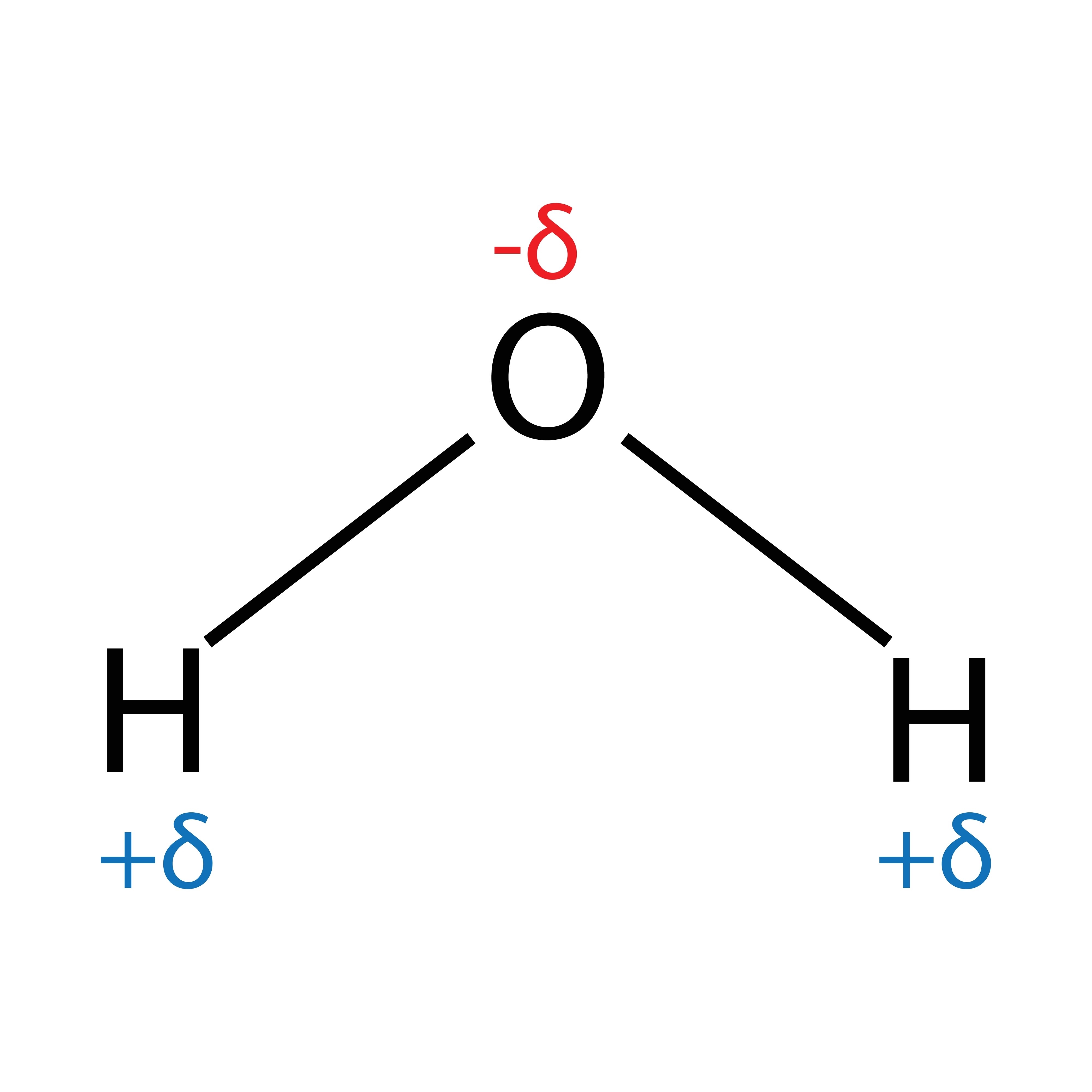
The key lies in the special structure of water molecules ($H_2O$). While electrically neutral overall, water is a polar molecule (Dipole) where the oxygen side carries a slight negative charge ($\delta-$) and the hydrogen side carries a positive charge ($\delta+$). It acts like a tiny magnet with a positive and a negative end.
The magnetron inside the microwave emits electromagnetic waves at a frequency of 2.45 GHz. This means the direction of the electric field changes 2.45 billion times per second. Can you imagine? 2.45 billion times a second!
The 3-Step Mechanism of Dielectric Heating
- Alignment: When an electric field is applied, the positive end of the water molecule is pulled toward the negative pole, and the negative end toward the positive pole, aligning the molecule.
- Rotation: When the direction of the electric field flips, the water molecule rotates 180 degrees to realign itself.
- Friction Heat: During this ultra-fast rotation, water molecules continuously collide with each other, converting kinetic energy into thermal energy.
The important point here is that the microwave doesn't heat the food as a whole instantly; it shakes the water molecules inside the food to generate heat. This is why empty bowls or dry bread don't heat up well. Without water, there are no molecules to vibrate.
Dielectric Heating Power Density Formula
$$P = 2\pi f \varepsilon_0 \varepsilon'' |E|^2$$In this formula, $P$ is the absorbed power density ($W/m^3$), $f$ is the frequency ($2.45 \times 10^9 Hz$), $\varepsilon''$ is the dielectric loss factor, and $|E|$ is the electric field strength. It may look complex if you didn't major in physics, but the core is simple: The higher the frequency, the larger the material's dielectric loss factor, and the stronger the electric field, the more heat is generated.
Why Do Some Things Heat Up and Others Don't?
The "Dielectric Loss Factor" is key here. The ability to absorb microwaves varies vastly between materials.
| Material | Dielectric Constant (ε′) | Dielectric Loss Factor (ε′′) | Heating Efficiency |
| Pure Water | 78 | 9.5 | Very High |
| Ice | 3.2 | 0.003 | Very Low (Hardly heats) |
| Cooking Oil | 2.5 | 0.07 | Low |
| Salt Water (0.9% NaCl) | 76 | 52 | Extremely High |
| Ceramic | 6 | 0.05 | Almost None |
| Glass | 4 | 0.01 | Almost None |
Why Does Ice Melt Slowly in the Microwave?
Many people think, "If I put ice in the microwave, it will melt quickly," but it is actually incredibly slow. As seen in the table, the dielectric loss factor of ice is a whopping 1/3000th of liquid water.
The reason is simple. In ice, water molecules are locked tightly in place by hydrogen bonds, so they cannot rotate in response to the electric field. Since they can't vibrate, they can't absorb microwave energy. This is why defrosting frozen food takes a long time.
"Cooking from the Inside Out" is Only Half True
You've likely heard that microwaves cook from the inside out. This is half right and half wrong.
2.45 GHz microwaves penetrate about 1~3 cm into food. While this is deeper than an oven which only burns the surface, it does not reach directly into the center of a thick piece of meat. So how does the center cook? The heat generated at the penetration depth moves to the center via Conduction. The principle is similar to a gas stove, but the starting point of heat is 1~3 cm below the surface, not the skin.
There is another important phenomenon. Inside the microwave, waves reflect off the walls, creating Standing Waves. Just like waves crashing against a wall and bouncing back. This creates a pattern where energy is strong in some spots (Hot spots) and weak in others (Cold spots).
💡 The Scientific Reason the Turntable is Essential
The turntable doesn't spin just to look good. Because of the standing wave pattern, specific locations get hot while others stay cold. The turntable rotates the food so that every part passes through Hot spots and Cold spots alternately. This is why food cooks unevenly if the turntable motor breaks.
Ending the Radiation Myth: Ionizing vs. Non-Ionizing
The most persistent misunderstanding is that "microwave waves are harmful like radioactivity." We need to clarify this definitively.
In physics, "Radiation" refers to energy traveling through space. Sunlight is radiation, radio waves are radiation, and X-rays are radiation. However, their nature is worlds apart because the magnitude of energy is completely different.
| Category | Examples | Mechanism | DNA Damage |
| Ionizing Radiation | X-rays, Gamma rays, UV | Energy is strong enough to knock electrons off atoms | Possible (Cancer risk) |
| Non-Ionizing Radiation | Microwaves, Radio waves, Visible light | Energy only vibrates or rotates molecules | Impossible (Heat effect only) |
✅ Key Point: Microwaves are "Non-Ionizing Radiation"
The energy of a 2.45 GHz microwave photon is only about $1.0 \times 10^{-5}$ eV. This is so small—about one-millionth of the minimum energy required to knock an electron out of an atom (approx. 10 eV).
Therefore, microwaves can vibrate molecules, but they cannot break DNA's covalent bonds or ionize atoms. This is why "radioactivity" from Chernobyl and "electromagnetic waves" from a microwave are fundamentally different.
Fact-Checking Famous Microwave Myths
❌ Myth #1: "Watering plants with microwaved water kills them"
- Claim: Microwaves alter water molecules, killing the plant.
- Scientific Rebuttal:
- Structure Unchanged: $H_2O$ remains $H_2O$. Microwaves only rotate them; they cannot change chemical bonds. To change water's formula, you need bond energy (approx. 5 eV), but microwave energy is 1/500,000th of that.
- Experimental Verification: MythBusters, Snopes, and others have conducted double-blind experiments. There was no significant difference between plants watered with microwaved water versus gas-boiled water.
- Dissolved Oxygen: Boiling water reduces dissolved oxygen, but this happens with gas stoves too. It's not unique to microwaves.
- Conclusion: Completely False.
❌ Myth #2: "It mutates food DNA and causes cancer"
- Claim: Microwaves mutate the genes of food, turning them into carcinogens.
- Scientific Rebuttal:
- Lack of Energy: To break the hydrogen bonds holding DNA's double helix together, you need about 0.1~0.2 eV. Microwave energy is 1/20,000th of that. It simply doesn't have the energy to touch DNA.
- Nature of Cooking: All cooking methods (grilling, boiling, frying) cause Denaturation of proteins. This isn't DNA destruction but the unraveling of the protein's 3D structure. Egg whites turning white when cooked is protein denaturation.
- Digestion: Even if food DNA were modified, it wouldn't matter. The DNA in food is broken down into nucleotides and amino acids by stomach acid (pH 1-2) and digestive enzymes (DNase, pepsin, etc.) anyway. Eating beef DNA doesn't make it become your DNA.
- Conclusion: Completely False.
⚠️ Myth #3: "Microwaves leak out and harm humans"
- Claim: Microwaves leak through the door gaps and cause cancer.
- Scientific Rebuttal:
- Metal Mesh: If you look closely at the microwave door glass, there is a metal mesh with small holes. These holes are about 1~3 mm, which is much smaller than the microwave wavelength (approx. 12.2 cm). According to physics, waves cannot pass through holes smaller than their wavelength.
- Shielding Efficiency: A functioning microwave blocks over 99.9% of waves.
- FDA Regulations: The FDA strictly limits leakage to 5 mW/cm² or less at a distance of 5 cm. This is 1/200th of the safety limit.
- Conclusion: Mostly False. However, if the device is damaged or old, the door seal might be compromised. It is best to avoid pressing your face against the door while it's running. At 50 cm away, exposure is virtually zero.
World Health Organization (WHO) Official Statement:
"Microwave ovens, when used according to manufacturers' instructions, are safe and there is no evidence they cause harm to health."
Nutrient Destruction Controversy: Microwaving Might Be Better
"Microwaving destroys all nutrients." You've heard this, right? However, recent food nutrition studies show the exact opposite results.
The 3 Real Reasons Nutrients Are Destroyed
First, you must know that the main culprit of nutrient loss is not electromagnetic waves.
- Heat: Vitamin C, B1 (Thiamine), and Folate are heat-sensitive. The higher the temperature and the longer the heating, the worse the destruction.
- Water: Water-soluble vitamins (B group, C) dissolve into water. Boiling vegetables causes nutrients to leach into the water.
- Time: Oxidation and breakdown reactions accumulate over long heating times. Short cooking times favor nutrient retention.
So, how does the microwave fare in these three aspects?
Actual Research Data: Broccoli Vitamin C Comparison
Let's look at a study by Yuan et al. published in the Journal of Food Science (2009). They measured remaining Vitamin C in 200 g of fresh broccoli cooked to the same tenderness.
| Cooking Method | Time | Vitamin C Retention |
| Raw | - | 100% |
| Microwave | 2 min | 90-95% |
| Steaming | 5 min | 85-90% |
| Boiling | 8 min | 60-66% |
| Stir-frying | 5 min | 70-75% |
✅ Surprising Conclusion
Using a microwave to blanch vegetables is one of the nutritionally superior cooking methods!
Why Microwaves Are Good for Nutrient Retention:
- Short Time: 2-5 times faster than gas → Minimizes heat exposure time.
- Less Water: Steams with its own moisture without being submerged → Prevents leaching of water-soluble vitamins.
- Relatively Low Temp: Cooks around 100°C → Prevents high-heat destruction.
The Real Danger: Plastic Containers and Environmental Hormones
The microwave itself is safe. The real danger lies in "what you put in it." Chemicals leaching from containers are a real, verified threat.
Bisphenol A (BPA) and Endocrine Disruption
BPA or Phthalates found in some plastics leach into food when heated. These act like estrogen (female hormone) in the body, potentially causing reproductive issues, precocious puberty, and thyroid dysfunction. BPA is especially dangerous for pregnant women and children as it can affect fetal brain development.
Plastic Safety Guide by Material
| Code | Name | Microwave Safe? | Characteristics |
| PP (5) | Polypropylene | ✅ Yes | Heat resistant to 120~160°C. Best for microwaves. Used in convenience store lunch boxes. |
| HDPE (2) | High-Density Polyethylene | ✅ Yes | Heat resistant, but rarely used for microwave containers. |
| PS (6) | Polystyrene | ❌ NEVER | Cup noodles, Styrofoam. Melts at high temps or leaches carcinogens (Styrene). |
| PET (1) | Polyethylene Terephthalate | ❌ NEVER | Drink bottles. Deforms easily with heat; risk of leaching harmful substances. |
| PVC (3) | Polyvinyl Chloride | ❌ NEVER | Cling wrap. Leaches phthalate plasticizers at high temps. |
🚨 Why You Must NEVER Microwave Cup Noodles in the Cup
Most cup noodle containers are made of Polystyrene (PS, Code 6). This material:
- Has a heat resistance of only 70-90°C.
- Leaches Styrene monomers at high temperatures (Classified as Group 2B carcinogen by IARC).
- Can deform or melt.
- Correct Method: Transfer noodles and soup to a PP (Code 5) container or a ceramic bowl before microwaving.
The Best Choice: Heat-Resistant Glass and Ceramic
✅ Microwave Container Safety Ranking
- Heat-Resistant Glass (Borosilicate): Zero chemical leaching. Resists 500°C+. (e.g., Pyrex).
- Ceramic/Porcelain: No chemical leaching. Note: Avoid those with metallic gold/silver trim.
- PP (Code 5) Plastic: Check for "Microwave Safe" label. Caution with oily foods or long heating.
The Science of Explosions: Superheating and Pressure
Most microwave accidents stem from user negligence or ignorance of physics. "Explosion" accidents, in particular, can cause serious burns.
Superheating: Exploding Water
If you heat water in a clean cup for a long time, it can become Superheated—exceeding 100°C without boiling. Why?
For water to boil, it needs a Nucleation Site for bubbles to form. Usually, scratches or impurities serve this role. However, in a smooth glass cup with pure water, there are no nucleation sites, so it doesn't boil even past 100°C.
The problem arises when a small shock (inserting a spoon, adding coffee powder, or even vibration from moving the cup) is applied. The water boils explosively in an instant, splashing scalding water and causing severe burns.
⚠️ Prevention:
- Put a wooden chopstick in the cup (Provides nucleation sites).
- Stir once halfway through.
- Wait 30 seconds after heating.
The Thermodynamics of Egg Explosions
Never put a raw or hard-boiled egg in the microwave with the shell on. It will explode 100% of the time.
🥚 Mechanism:
- Internal moisture heats up past 100°C.
- Liquid water turns to steam, expanding in volume by approx. 1,700 times.
- Internal pressure exceeds the shell's strength limit.
- Explosion: Hot egg bits scatter everywhere.
Metal and Arcing
Why do sparks fly with aluminum foil?
The issue is thin and pointed metal. Microwaves induce charges on metal surfaces. Thick, flat metal conducts current smoothly, but crumpled foil or fork tines cause charges to concentrate, spiking the voltage.
When voltage exceeds the dielectric breakdown strength of air (~3 MV/m), Arcing (sparks) occurs, potentially causing a fire.
The Microwave's Limit: Absence of the Maillard Reaction
Microwaves are not omnipotent. They have a fatal flaw regarding "taste": the absence of the Maillard Reaction.
Why Does Microwaved Food Taste Bland?
Microwave cooking happens around the boiling point of water (100°C). However, the Maillard reaction—which creates delicious savory flavors and brown crusts—occurs above 154°C.
The Maillard reaction is a chemical reaction between amino acids and reducing sugars that creates hundreds of flavor compounds and brown pigments (melanoidins). The crust of bread, the sear on a steak, the aroma of coffee—all thanks to the Maillard reaction. Since microwaves can't reach this temp:
- Bread gets soggy.
- Meat turns gray.
- There is no crispiness.
✅ Best Uses for Microwaves
- Blanching Vegetables: Best nutrient retention, vibrant colors. (Sprinkle water, cover with wrap, 2-3 min).
- Cooking Bacon: Layer between paper towels. 3-4 min. Fat renders out, becoming crispy (better than a pan).
- Cooking Potatoes/Sweet Potatoes: 5-10x faster than ovens. Poke holes with a fork, cook 5-8 min. Tip: Cook 80% in microwave, finish in oven for skin texture.
- Tempering Chocolate: Easier than a double boiler. No risk of water mixing in. (Melt in 30-sec intervals, stirring in between).
- Juicing Lemons/Oranges: Heat for 10-15 seconds to weaken cell walls; yields 2x more juice.
Environment and Energy Efficiency
Microwaves are not only convenient but also environmentally friendly.
| Appliance | Time to Boil 1L Water | Power Consumption | Efficiency | CO2 Emissions |
| Microwave | 4-5 min | 0.12 kWh | 60-65% | 60g |
| Electric Kettle | 3-4 min | 0.11 kWh | 80-85% | 55g |
| Induction | 5-6 min | 0.15 kWh | 70-75% | 75g |
| Gas Stove | 6-8 min | - | 40-50% | 120g |
✅ Environmental Benefits:
- 50% reduction in CO2 compared to gas stoves.
- Energy savings due to reduced cooking time.
- Minimal kitchen temperature rise (reduced cooling load in summer).
The 10 Commandments of Safe Use
- NEVER put metal inside (Foil, metal bowls, gold trim).
- Open the lid of sealed containers (Need a steam vent).
- Crack eggshells (Never cook whole eggs).
- Wait 30 seconds for liquids (Prevent superheating explosion).
- Use PP (Code 5) plastic only (Check "Microwave Safe").
- Do not run while empty (Damages the magnetron).
- Do not open the door while running (Safety mechanism exists, but build the habit).
- Keep out of reach of children (Burn risk).
- Stop using immediately if damaged (Leakage risk).
- Follow manufacturer instructions (Models vary).
Conclusion: Becoming a Smart User Armed with Science
The microwave is neither a "radiation machine" nor a "nutrient destroyer." It is simply a convenient tool gifted by physics that uses 2.45 GHz waves to vibrate water molecules 2.45 billion times a second to generate heat.
✅ Summary of Scientific Facts:
- Microwaves are non-ionizing radiation and cannot damage DNA.
- In terms of nutrient preservation, it is often superior to boiling.
- The real danger is not the machine, but the use of incorrect containers (plastic).
- It cannot produce seared flavors, but it is the best method for specific applications.
This amazing invention, which started with chocolate melting in a pocket in 1945, is still misunderstood 80 years later. But now we know. Instead of vague fears, if we choose the right containers and use appropriate cooking methods based on scientific understanding, the microwave becomes a safe and efficient partner in the kitchen.
Next time you open the microwave door, take a moment to think. You are not just heating food; you are conducting a precise scientific experiment—utilizing an engineer's accidental discovery from 80 years ago to make water molecules dance, realizing the laws of thermodynamics through dielectric heating, and saving time and energy while preserving nutrients.
And that is exactly why the modern kitchen is a science lab.
Key References:
- World Health Organization (WHO). "Electromagnetic fields and public health: Microwave ovens." 2014.
- U.S. Food and Drug Administration (FDA). "Microwave Oven Radiation." 21 CFR 1030.10.
- Yuan, G.F., et al. "Effects of different cooking methods on health-promoting compounds of broccoli." Journal of Food Science, 74(1), 2009.
- McGee, Harold. On Food and Cooking: The Science and Lore of the Kitchen. Scribner, 2004.
- Jiménez-Monreal, A.M., et al. "Influence of cooking methods on antioxidant activity of vegetables." Food Chemistry, 2009.
- Vandenburg, L.N., et al. "Bisphenol-A and the great divide: a review of controversies in the field of endocrine disruption." Endocrine Reviews, 2009.
- Buffler, C.R. Microwave Cooking and Processing: Engineering Fundamentals for the Food Scientist. Springer, 1993.
- National Cancer Institute. "Cell Phones and Cancer Risk." Fact Sheet, 2020.
- IEEE Standards Association. "IEEE Standard for Safety Levels with Respect to Human Exposure to Radio Frequency Electromagnetic Fields." IEEE C95.1-2019.