🍲 Introduction: The Aesthetics of "Boiled Jelly"
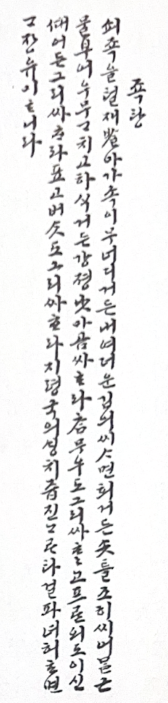
Hello! Today, I’d like to introduce a unique cow foot (Ujok) dish recorded in ancient cookbooks like "Eumsik Dimibang": Joktang.
Modern Koreans are familiar with cow feet mostly as Gomtang (a milky bone soup). However, in the Joseon Dynasty, this collagen-rich ingredient was boiled down, solidified into a Jelly (Jokpyeon), and then served in a warm broth. This dish, featuring chewy cow foot jelly, crunchy cucumber, and precious pheasant broth, is a high-end banquet food that boasts an exquisite contrast of textures.
🏛️ Historical Context
This dish goes beyond simply boiling meat. It reflects the refined gastronomy of the Yangban (aristocratic) class, who sought both taste and visual beauty by cutting ingredients into precise cubes (the size of a Gangjeong rice puff). The use of pheasant broth as a base particularly highlights the luxurious dining culture of the time.
🐮 Why Boil It with the Hair On?
The meaning of the original text, "Boil it with hair, and when the skin softens...":
- Easy Preparation: It is very difficult to skin a raw cow foot with hair. Slightly boiling it loosens the pores, making it much easier to remove the hair and rough outer skin.
- Hygiene & Whitening: Washing it in hot steam removes odors and impurities, resulting in a pristine, milky white appearance ("becomes white").
🧪 Modern Science: This is similar to the modern Blanching technique. It involves partially cooking the surface to remove impurities and firm up the meat's texture.
📝 Ingredients & Preparation
Main Ingredient:
- Cow Foot (Ujok)
Garnish Ingredients:
- Radish (Firm part)
- Cucumber (Vibrant green ones, seasonal)
- Shiitake Mushrooms
Broth Ingredients:
- Pheasant Broth (or Chicken stock)
- Soy Sauce
- Wheat Flour (To adjust consistency)
- Scallions (Golpa)
💡 "Boil like Umu (Agar)": This refers to boiling the cow foot until the collagen gelatinizes, becoming firm and bouncy like agar jelly when cooled.
👨🍳 Step-by-Step Traditional Method
STEP 1: Prepping & Making the Jelly 🧊
[Image: Milky white prepared cow foot]
- First Boil: Boil the cow foot intact with the hair on.
- Cleaning: When the skin softens, remove it from the pot. While still hot, wash thoroughly and remove the hair to make it white.
- Second Boil: Clean the pot, pour in clear water, and boil the foot until the broth becomes sticky like Umu (Agar).
- Solidifying: Cool the broth and meat to form a firm jelly (Jokpyeon).
STEP 2: Precision Cutting (Cube Cutting) 🔪
[Image: Ingredients diced into small cubes]
- Cut the solidified cow foot jelly into small cubes, about the size of a Gangjeong (traditional rice puff).
- Cut the radish, cucumber, and shiitake mushrooms into the exact same size as the jelly.
- 🎨 Design Point: Uniformity in size creates visual harmony and a rhythmic texture when eating.
STEP 3: Broth & Assembly 🍲
[Image: Ingredients floating in clear broth]
- Season the pheasant broth with soy sauce.
- Dissolve a little wheat flour into the broth to give it some body (smooth mouthfeel).
- Add the prepared cow foot jelly cubes and vegetable cubes.
- Garnish with scallions and serve.
- 😋 Flavor Point: The umami of the pheasant broth and the slight thickness from the flour gently coat the ingredients.
📊 Modern Adaptations
| Traditional Method | Modern Alternative |
| Boil with hair & clean | Buy cleaned frozen cow feet & soak to remove blood |
| Pheasant Broth | Chicken stock or Beef Brisket broth |
| "Gangjeong" size | Cubes approx. 1cm x 1cm (Bean size) |
| Flour-thickened broth | Light Roux or a touch of starch water |
| Cucumber (Seasonal) | Can be substituted with Zucchini |
🍽️ Modern Applications
Culinary ideas inspired by this recipe:
- Cow Foot Terrine Soup:
- Make a terrine with the cow foot, then pour hot consommé over it to enjoy the texture changing as it slightly melts.
- Cold Jokpyeon Salad:
- Chill the broth and serve with vinegar and mustard sauce as a summer health food (Naengchae style).
- Cube Gomtang:
- For children, cut all ingredients into small cubes to make a clear Gomtang that is easy to eat with a spoon.
⚠️ Modern Food Safety Tips
Precautions when cooking Cow Feet:
✅ Fat Removal: If you don't skim off the oil while boiling, a white fat layer will form when it cools. Remove fat frequently for a clear jelly.
✅ Cooling: When making the jelly (Jokpyeon), let it set in a wide container in the refrigerator for at least 4 hours to ensure it doesn't crumble when cut.
🌟 Why This Recipe Matters
This brief recipe for Joktang suggests:
- 🧊 Variation of Texture: Instead of a soft, mushy soup, it offers the chewing fun of firm jelly in warm broth.
- 📏 Precision Knife Skills: It showcases a delicate culinary philosophy where all ingredients are unified to the size of a "Gangjeong."
- 🥣 Complex Flavors: A highly developed recipe blending land (Cow) and air (Pheasant) broths, and even controlling texture with flour.
족탕 (足湯)
|
 |