🥩 Introduction: Joseon Dynasty Wisdom in Boiling Beef
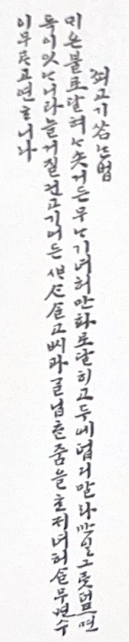
Hello! Today I'll introduce you to "How to Boil Beef" recorded in "Eumsik Dimibang (飮食知味方)".
While this recipe appears very simple at first glance, it contains the deep culinary wisdom of Joseon Dynasty aristocratic households regarding food safety, meat tenderization, and flavor maximization.
📖 Meaning of "Ssom-da"
"쏨다 (ssom-da)" is Joseon-era Hangeul meaning "to boil." It's the same as the modern Korean word "삶다 (sam-da)."
🍲 Why Boiling Beef Properly Matters
In traditional Korean cuisine, properly boiled beef is essential for:
- Seolleongtang, Gomtang - Rich, deep broth
- Suyuk (boiled beef slices) - Tender, moist meat
- Jangguk (clear soup) - Clean, clear broth
- Restorative dishes - Nutritious meat preparations
It's not just about "boiling" - cooking with the right method makes delicious and safe dishes!
📝 Ingredients & Preparation
Basic Ingredients:
- Beef (Mugi - brisket, shank, round, etc.)
- Water (sufficient amount)
Natural Tenderizers for Tough Meat (Optional):
- Crushed apricot seeds (one handful)
- Oak leaves (Garangip, one handful)
💡 What is "Mugi"?: During the Joseon Dynasty, beef was called "mugi (무기)." In Chinese characters, it's written as "牛肉."
👨🍳 Step-by-Step Traditional Method
STEP 1: Boiling Water 🔥
[Image: Water boiling vigorously on high heat]
- Pour sufficient water into a pot
- Bring to boil on high heat
- Wait until the water is actively bubbling and rising
🔥 Why High Heat?: Boiling water rapidly with high heat causes the protein on the meat's surface to coagulate quickly, sealing in the juices.
STEP 2: Adding the Beef 🥩
[Image: Adding beef to boiling water]
- When the water is fully boiling, add the beef
- Ensure the meat is submerged in water
💡 Modern Tip: Starting meat in cold water makes richer broth; adding to boiling water makes tender meat. Choose based on your purpose!
STEP 3: Simmering on Low Heat 🔥→🕯️
[Image: Gently simmering on low heat]
- After adding beef, reduce to low heat
- Simmer without covering with a lid
- Continue cooking gently
⚠️ MOST IMPORTANT WARNING: NO LID!
"If you mistakenly cover it, poison (毒) will form"
This is the most emphasized part in the original text:
- ❌ Never cover with a lid
- ⚠️ Warns that covering creates poison
🧪 Scientific Explanation:
From a modern scientific perspective:
- Removing Impurities: Keeping the lid off allows foam and impurities (blood, fat) to evaporate or be easily skimmed off during boiling
- Odor Removal: Unpleasant gamey smells escape with the steam
- Oxygen Supply: An open lid allows air circulation, preventing the growth of anaerobic bacteria
- Temperature Control: Covering can raise the temperature too high, making the meat tough
📚 Historical Wisdom: In an era without refrigeration, the term "poison" likely referred to food poisoning or spoilage. Covering creates a sealed environment where bacteria can easily multiply.
🌰 Secret Tip: Tenderizing Tough Meat
Traditional Tenderizers: Apricot Seeds + Oak Leaves
[Image: Apricot seeds and oak leaves]
"For old, tough meat, add crushed apricot seeds and a handful of oak leaves together and boil - it becomes tender and soft easily"
How to Use:
- Crush apricot seeds (one handful)
- Prepare oak leaves (Garangip, one handful)
- Add together with the meat and boil
- The meat becomes tender and soft easily!
🧪 Scientific Principles:
Apricot Seeds:
- Contain protein-breaking enzymes
- Soften tough connective tissue in meat
- Add subtle nutty aroma
Oak Leaves (Garangip):
- Contain tannins
- React with meat proteins for tenderizing effect
- Act as natural preservative
- Remove unpleasant odors
🌿 Modern Alternatives: Since apricot seeds are hard to find, you can use pear, kiwi, pineapple (fruit enzymes) or a small amount of baking soda.
🕐 Cooking Time Guide
| Brisket | 2-3 hours |
| Shank | 3-4 hours |
| Round | 1.5-2 hours |
| Short Ribs | 1-2 hours |
| Tough Old Meat | 3-5 hours (with apricot seeds + oak leaves) |
⏰ How to Check: The meat is done when chopsticks pierce through easily.
📊 Modern Adaptations
| Simmer long on low heat | Pressure cooker (30-60 minutes) |
| Apricot seeds | Pear, kiwi, pineapple |
| Oak leaves | Bay leaves, kelp |
| Boil without lid | Skim foam frequently, ventilate |
| High heat → Low heat | Modern induction temperature control |
🍽️ Dishes You Can Make
Traditional dishes made with boiled beef:
1. Suyuk (Boiled Beef Slices)
- Slice thinly and serve with salted shrimp, ssamjang
- Wrap in lettuce or perilla leaves
2. Jangguk (Clear Soup)
- Add radish, scallions to clear broth
- Season with soy sauce
3. Yukgaejang (Spicy Beef Soup)
- Shred the boiled beef
- Cook with red pepper powder, scallions, and bracken fern for a spicy soup
4. Bibimbap (Mixed Rice)
- Julienne the meat and use as bibimbap topping
⚠️ Modern Food Safety Tips
Safe Beef Boiling:
- ✅ Use fresh meat
- ✅ Soak in cold water for 30 minutes-1 hour before boiling to remove blood
- ✅ Discard the first water and boil again in clean water (blanching)
- ✅ Skim foam and impurities frequently
- ✅ Maintain internal temperature above 75°C (prevent food poisoning)
- ✅ Refrigerate boiled meat (consume within 2-3 days)
⚠️ Disclaimer: This recipe is shared for cultural and historical interest. Please follow modern food safety standards, and ensure meat is thoroughly cooked. When using apricot seeds, use only in small quantities, or if uncertain, use modern tenderizers instead.
쇠고기 쏨는 법
|
 |