🇺🇸 Review
🌏 A 350-Year-Old Korean Culinary Treasure
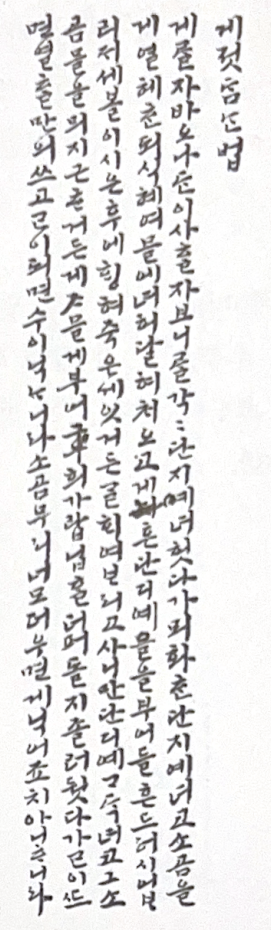
Hello! Today I'd like to introduce you to a traditional gejang (salted crab) recipe from "Eumsik Dimibang (飮食知味方)", Korea's first cookbook written in Hangeul around 1670.
Gejang is well-known as soy sauce marinated crab or spicy marinated crab, but the recipe I'm sharing today is gejeot, an ancient version of salt-fermented crab made only with salt!
📖 About "Eumsik Dimibang (飮食知味方)"
Korea's first cookbook written in Hangeul by Lady Jang of Andong in the 17th century. It contains 146 recipes and represents the culinary wisdom of yangban (aristocratic) cuisine during the Joseon Dynasty (1392-1897).
🦀 What is Gejeot?
Gejeot is a traditional Korean dish made by fermenting fresh raw crabs in salt brine, characterized by:
- Intense umami flavor - deep taste from natural fermentation
- Soft, creamy texture - harmonious blend of crab meat and roe
- Rice thief - perfect pairing with rice (once you start, you can't stop!)
- Rich protein and natural probiotics from fermentation
Unlike modern soy sauce-based gejang, this ancient recipe uses only salt, creating a pure and clean taste.
📝 Ingredients & Traditional Measurements
For 10 Crabs:
- 10 fresh live crabs (blue crabs or swimming crabs recommended)
- 1 doe of salt = approximately 1.5-2 kg
- Water (enough to cover the crabs)
- Garangip (dried oak leaves) - for covering
- A clean stone - for weighing down
💡 Cultural Context: Traditional Korean measurements used "doe" as a volume unit. One doe equals about 1.8 liters.
👨🍳 Step-by-Step Traditional Method
STEP 1: Collecting & Storing Crabs (2-3 Days) 🦀
[Image: Fresh crabs in traditional earthenware jars]
In the old days, crabs couldn't be caught all at once, so:
- Store each caught crab in separate small jars over 2-3 days
- Once you've collected enough, transfer all crabs into one large earthenware jar (called "hangari")
🏺 Traditional Wisdom: This method keeps crabs alive and fresh until you have enough for one batch!
STEP 2: Preparing the Salt Brine 🧂
[Image: Boiling salt water in a traditional pot]
- Calculate salt ratio: 1 doe of salt per 10 crabs
- Boil the salt in water to dissolve and sterilize
- Cool completely until lukewarm
⚠️ CRITICAL WARNING from the Ancient Recipe:
"If the salt water is too hot, the crabs will cook and won't be good!"
The brine MUST be cooled to room temperature or lukewarm.
STEP 3: Washing the Crabs 🚿
[Image: Washing crabs in water]
- Pour water into the jar with crabs
- Shake vigorously to wash them
- Repeat this process 3 times (the original text says "sebol-i" - approximately 3 times)
- Remove any dead crabs - this is crucial!
- Keep only live, healthy crabs in the jar
🔬 Food Safety: Dead crabs can spoil quickly and ruin the entire batch. The 350-year-old recipe already knew this!
STEP 4: Setting Up the Fermentation 🏺
[Image: Crabs submerged in brine covered with oak leaves]
- Pack the live crabs tightly into the earthenware jar
- Pour the cooled salt brine until the crabs are completely submerged
- Cover the surface with dried oak leaves
- Place a clean stone on top to prevent the crabs from floating
🍂 Why Oak Leaves?
Garangip (dried oak leaves) have natural antimicrobial properties that prevent the crabs from being exposed to air and spoiling. They also add subtle earthy notes to the fermentation!
STEP 5: Fermentation Time ⏰
According to the ancient recipe:
- Light salting: Ready to eat after 10 days
- Heavy salting: Ferments faster and is ready sooner
🧪 The Science: Higher salt concentration creates stronger osmotic pressure, which accelerates fermentation and enhances the extraction of crab flavors.
🍚 How to Enjoy Gejeot (Serving Suggestions)
Traditional Korean Style:
- Serve as banchan (side dish) with steamed white rice
- Eat the crab roe - considered the most delicious part!
- Crack the shells and suck out the flavorful meat
Modern Pairings:
- With soju or makgeolli (traditional Korean alcoholic beverages)
- Mix into hot rice with sesame oil
- As a topping for bibimbap (mixed rice bowl)
📊 Modern Adaptations
While respecting tradition, here are some modern adjustments:
| Earthenware jar | Glass or food-grade plastic container |
| Room temperature storage | Refrigerated fermentation (safer and slower) |
| Oak leaves | Clean cloth or parchment paper |
| Natural timing | Use a hydrometer to check salt concentration |
| 10 days at room temp | 2-3 weeks in refrigerator |
⚠️ Important Safety Precautions
For Modern Food Safety:
- ✅ Use very fresh, live crabs from trusted sources
- ✅ Sterilize all containers with boiling water
- ✅ Maintain proper salt concentration (18-20% for safety)
- ✅ Refrigerate during and after fermentation
- ✅ Consume within 2-3 weeks for best quality
- ❌ Never eat if you notice off-smells or discoloration
🏥 Health Consideration: Raw fermented seafood may not be suitable for pregnant women, young children, the elderly, or immunocompromised individuals.
🌟 Why This Recipe Matters
This 350-year-old recipe is more than just a cooking method—it's a living piece of Korean culinary heritage. It shows us:
- Ancient food preservation techniques from before refrigeration
- Deep understanding of fermentation in traditional Korean cuisine
- Sustainable food practices utilizing seasonal seafood
- Wisdom passed down through generations of Korean women
The fact that Lady Jang wrote this in Hangeul (when classical Chinese was the standard) also demonstrates her intention to make culinary knowledge accessible to more people, especially the women of her time.
🇯🇵 レビュー (Review)
🌏 350年の歴史を持つ韓国料理の宝物
こんにちは!今日は、1670年頃にハングルで書かれた韓国初の料理書『飲食知味方(Eumsik Dimibang)』に記録されている、伝統的な「ケジャン(カニの塩辛)」のレシピをご紹介します。
「ケジャン」といえば醤油漬けや辛い薬味漬けのカニとして有名ですが、今日シェアするレシピは、塩だけで作る古代バージョンの「ケジョッ(カニの塩辛)」です!
📖 『飲食知味方(Eumsik Dimibang)』について
17世紀に安東(アンドン)の張(チャン)氏夫人によってハングルで書かれた韓国初の料理書です。146のレシピが収録されており、朝鮮王朝時代(1392-1897)の両班(ヤンバン:貴族階級)料理の知恵を代表する文献です。
🦀 ケジョッとは?
ケジョッは、新鮮な生のカニを塩水で発酵させた韓国の伝統料理で、以下の特徴があります:
- 強烈な旨味 - 自然発酵による深い味わい
- 柔らかくクリーミーな食感 - カニの身と内子の絶妙な調和
- ご飯泥棒 - ご飯との相性が抜群(一度食べ始めたら止まりません!)
- 豊富なタンパク質と発酵による天然プロバイオティクス
現代の醤油ベースのケジャンとは異なり、この古代のレシピは**「塩のみ」**を使用し、純粋でスッキリとした味わいを作り出します。
📝 材料と伝統的な計量
カニ10匹分:
- 新鮮な活カニ 10匹(ワタリガニ推奨)
- 塩 1升(ド) = 約1.5〜2 kg
- 水(カニが浸かる十分な量)
- カランイプ(乾燥した柏の葉) - 覆うため
- 清潔な石 - 重石として
💡 文化的背景: 韓国の伝統的な計量では「升(ド)」を体積の単位として使用しました。1升は約1.8リットルです。
👨🍳 段階別・伝統的な作り方
STEP 1: カニの収集と保管(2〜3日) 🦀
[Image: 伝統的な土器(甕)に入った新鮮なカニ]
昔は一度にたくさんのカニを獲ることができなかったため、次のようにしていました:
- 獲ったカニを別々の小さな甕に入れて2〜3日間保管する
- 十分な数が集まったら、すべてのカニを**一つの大きな土器(「ハンアリ」と呼ばれる)**に移す
🏺 先人の知恵: この方法は、1回分を作るのに十分な量が集まるまで、カニを生きたまま新鮮に保つための工夫でした!
STEP 2: 塩水の準備 🧂
[Image: 伝統的な鍋で塩水を沸かす]
- 塩の比率を計算:カニ10匹につき塩1升
- 塩を水で煮て溶かし、殺菌する
- ぬるま湯になるまで完全に冷ます
⚠️ 古代レシピからの「重大な警告」:
「塩水が熱すぎると、カニが煮えてしまって美味しくない!」
塩水は必ず室温かぬるま湯まで冷まさなければなりません。
STEP 3: カニを洗う 🚿
[Image: 水の中でカニを洗う]
- カニの入った甕に水を注ぐ
- 激しく揺すってカニを洗う
- この工程を3回繰り返す(原文では「セボル」- およそ3回)
- 死んだカニを取り除く - これは極めて重要です!
- 甕には生きていて健康なカニだけを残す
🔬 食品安全: 死んだカニはすぐに腐敗し、全体を台無しにしてしまいます。350年前のレシピはすでにこのことを知っていました!
STEP 4: 発酵の準備 🏺
[Image: 柏の葉で覆われ、塩水に浸かったカニ]
- 活カニを土器に隙間なく詰める
- カニが完全に浸かるまで、冷ました塩水を注ぐ
- 表面を乾燥した柏の葉で覆う
- カニが浮かないように清潔な石を上に置く
🍂 なぜ柏の葉なのか?
カランイプ(乾燥した柏の葉)には天然の抗菌作用があり、カニが空気に触れて腐敗するのを防ぎます。また、発酵にほのかな土の香りを加えます!
STEP 5: 発酵時間 ⏰
古代のレシピによると:
- 薄塩(淡口): 10日後に食べ頃
- 強塩(辛口): 発酵が早く進み、より早く完成する
🧪 科学的根拠: 塩分濃度が高いほど浸透圧が強くなり、発酵が促進され、カニの風味抽出が強化されます。
🍚 ケジョッの楽しみ方(おすすめの食べ方)
韓国の伝統スタイル:
- **パンチャン(おかず)**として炊きたての白米と一緒に出す
- **カニの内子(卵)**を食べる - 最も美味しい部分とされています!
- 殻を割って、風味豊かな身を吸うように食べる
現代的なペアリング:
- 焼酎(ソジュ)やマッコリ(韓国の伝統酒)と一緒に
- ごま油を入れて熱いご飯に混ぜる
- ビビンバのトッピングとして
📊 現代風アレンジ
伝統を尊重しつつ、現代的な調整をここに示します:
| 伝統的な方法 | 現代的なアップデート |
| 土器(甕) | ガラスまたは食品用プラスチック容器 |
| 常温保存 | 冷蔵発酵(より安全でゆっくり) |
| 柏の葉 | 清潔な布またはクッキングシート |
| 自然なタイミング | 比重計で塩分濃度を確認 |
| 常温で10日 | 冷蔵庫で2〜3週間 |
⚠️ 重要な安全上の注意
現代の食品安全のために:
✅ 信頼できる供給元の非常に新鮮な活カニを使用する
✅ すべての容器を熱湯で殺菌する
✅ 適切な塩分濃度を維持する(安全のため18〜20%)
✅ 発酵中および発酵後は冷蔵する
✅ 最高の品質のために2〜3週間以内に消費する
❌ 異臭や変色に気づいたら絶対に食べない
🏥 健康上の配慮: 生の発酵魚介類は、妊婦、幼児、高齢者、免疫不全の方には適さない場合があります。
🌟 このレシピが重要である理由
この350年前のレシピは単なる調理法以上のものであり、生きた韓国の食文化遺産です。それは私たちに以下を示してくれます:
- 冷蔵技術以前の古代の食品保存技術
- 韓国伝統料理における発酵への深い理解
- 旬の魚介類を活用した持続可能な食の実践
- 何世代もの韓国女性を通じて受け継がれてきた知恵
張氏夫人が(漢文が標準だった時代に)これをハングルで書いたという事実も、食の知識をより多くの人々、特に当時の女性たちに伝えようとした彼女の意図を示しています。
🇨🇳 探店笔记 (Review)
🌏 一份拥有350年历史的韩国烹饪瑰宝
您好!今天我想向大家介绍一道传统的腌蟹(Gejeot)食谱,它记录在约1670年用韩文写成的韩国第一本食谱《饮食知味方(Eumsik Dimibang)》中。
说到“酱蟹(Gejang)”,大家通常会想到酱油腌制或辣酱腌制的螃蟹,但我今天分享的是盐腌蟹(Gejeot),这是一种仅用盐制作的古老版本!
📖 关于《饮食知味方(Eumsik Dimibang)》
这是17世纪由安东张氏夫人用韩文撰写的韩国第一本食谱。书中收录了146种食谱,代表了朝鲜王朝(1392-1897)时期两班(贵族)饮食的智慧。
🦀 什么是盐腌蟹(Gejeot)?
盐腌蟹是一道韩国传统菜肴,是将新鲜生蟹在盐水中发酵而成,其特点包括:
- 浓郁的鲜味 - 来自自然发酵的深层味道
- 柔软顺滑的口感 - 蟹肉与蟹黄的完美融合
- 偷饭贼 - 与米饭的绝配(一旦开始吃就停不下来!)
- 丰富的蛋白质和来自发酵的天然益生菌
与现代基于酱油的酱蟹不同,这个古老的食谱只使用盐,创造出纯净清爽的味道。
📝 食材与传统计量
制作10只螃蟹:
- 10只新鲜活蟹(推荐梭子蟹)
- 1斗(Doe)盐 = 约 1.5-2 公斤
- 水(足以覆盖螃蟹的量)
- 干栎树叶(Garangip) - 用于覆盖
- 一块干净的石头 - 用于压重
💡 文化背景: 传统的韩国计量单位使用“斗(Doe)”作为体积单位。1斗约等于1.8升。
👨🍳 传统制作步骤
STEP 1:收集与储存螃蟹(2-3天) 🦀
[Image: 传统陶坛里的新鲜螃蟹]
在古代,螃蟹无法一次性全部捕获,所以:
- 将捕获的每只螃蟹分别储存在单独的小坛子里2-3天
- 一旦收集够了,将所有螃蟹转移到一个大陶坛(称为“Hangari”)中
🏺 传统智慧: 这种方法可以保持螃蟹的活性和新鲜度,直到你凑齐一批制作所需的数量!
STEP 2:准备盐水 🧂
[Image: 在传统锅中煮盐水]
- 计算盐的比例:每10只螃蟹用1斗盐
- 将盐放入水中煮沸以溶解并杀菌
- 完全冷却至温热或室温
⚠️ 来自古老食谱的“重要警告”:
“如果盐水太热,螃蟹会被煮熟,就不好吃了!”
盐水必须冷却至室温或温热状态。
STEP 3:清洗螃蟹 🚿
[Image: 在水中清洗螃蟹]
- 向装有螃蟹的坛子里倒水
- 剧烈摇晃以清洗螃蟹
- 重复此过程3次(原文称“Sebol-i” - 约3次)
- 剔除任何死蟹 - 这至关重要!
- 坛子里只保留鲜活健康的螃蟹
🔬 食品安全: 死蟹会迅速腐败并破坏整坛腌蟹。350年前的食谱就已经知道这一点了!
STEP 4:开始发酵 🏺
[Image: 浸泡在盐水中并盖上栎树叶的螃蟹]
- 将活蟹紧密地装入陶坛中
- 倒入冷却的盐水直到螃蟹完全被淹没
- 表面覆盖干栎树叶
- 放上一块干净的石头防止螃蟹上浮
🍂 为什么用干栎树叶?
Garangip(干栎树叶)具有天然抗菌特性,可防止螃蟹接触空气而变质。它们还能为发酵过程增添微妙的泥土清香!
STEP 5:发酵时间 ⏰
根据古老的食谱:
- 淡盐腌制: 10天后即可食用
- 重盐腌制: 发酵更快,成熟得更早
🧪 科学原理: 更高的盐浓度会产生更强的渗透压,从而加速发酵并增强蟹肉风味的萃取。
🍚 如何享用盐腌蟹(食用建议)
传统韩式风格:
- 作为**小菜(Banchan)**搭配热气腾腾的白米饭
- 吃蟹黄 - 被认为是最美味的部分!
- 咬开蟹壳,吸食鲜美的蟹肉
现代搭配:
- 搭配烧酒或米酒(Makgeolli)
- 滴入香油拌入热米饭中
- 作为**韩式拌饭(Bibimbap)**的配料
📊 现代改良版
在尊重传统的同时,这里有一些现代化的调整:
| 传统方法 | 现代更新 |
| 陶土坛子 | 玻璃或食品级塑料容器 |
| 常温储存 | 冷藏发酵(更安全且缓慢) |
| 干栎树叶 | 干净的布或烘焙纸 |
| 自然计时 | 使用比重计检查盐浓度 |
| 常温10天 | 冰箱冷藏2-3周 |
⚠️ 重要安全预防措施
为了现代食品安全:
✅ 使用来源可靠的非常新鲜的活蟹
✅ 用沸水消毒所有容器
✅ 保持适当的盐浓度(为了安全起见,建议18-20%)
✅ 发酵期间及之后都要冷藏
✅ 为了最佳品质,请在2-3周内食用完毕
❌ 如果发现异味或变色,切勿食用
🏥 健康提示: 生腌海鲜可能不适合孕妇、幼儿、老年人或免疫力低下的人群食用。
🌟 为什么这个食谱很重要
这份350年前的食谱不仅仅是一种烹饪方法,它是活着的韩国饮食文化遗产。它向我们展示了:
- 冷藏技术出现之前的古代食品保存技术
- 韩国传统饮食中对发酵的深刻理解
- 利用时令海鲜的可持续饮食实践
- 通过一代代韩国女性传承下来的智慧
张氏夫人用韩文(当时汉字是标准书写文字)写下这本书的事实,也表明了她希望将烹饪知识传授给更多人,特别是当时的女性的意图。
게젓 돕는 법 게젓 담는 법(蟹)
|
 |
'Traditional Korean Cooking' 카테고리의 다른 글
| How to Preserve Salmon Roe (연어난) - A 17th-Century Aristocratic Delicacy (0) | 2026.02.04 |
|---|---|
| How to Make Steamed Chicken (닭찜) - 17th-Century Aristocratic Chicken Dish (0) | 2026.02.03 |
| How to Boil Beef (쇠고기 삷는 법) - 350-Year-Old (0) | 2026.02.01 |
| How to Prepare Sea Cucumber (해삼) - The Essence of 17th-Century Korean Court Cuisine (0) | 2026.01.31 |
| The Foundation of Korean Food's Umami (0) | 2026.01.29 |